
Industry Guide
We Tested 7 Vegan Body Care Brands for 30 Days (2026)
· East West Supply Co.
What Are the Best Vegan Body Care Brands in 2026?
The 7 best vegan body care brands of 2026 are Cocoon Vietnam, Herbivore Botanicals, Necessaire, Osea Malibu, The Body Shop, Youth to the People, and OUAI — all PETA-certified and 100% cruelty-free. Cocoon stands out for using rare Vietnamese botanicals (Đắk Lắk coffee, An Giang palm sugar, Bến Tre coconut) at 30-50% less than comparable Western luxury alternatives.
What Makes Body Care Truly Vegan
A “natural” label on a body lotion does not make it vegan. A botanical illustration on the packaging does not make it cruelty-free. In 2026, consumers are rightly demanding more than marketing language — they want verifiable standards, and the body care category has finally caught up.
Truly vegan body care meets three non-negotiable criteria. First, the formulation contains zero animal-derived ingredients — no lanolin from sheep wool, no beeswax, no carmine from crushed beetles, no animal-sourced glycerin or collagen. Every emollient, humectant, and active must come from plant, mineral, or synthetic sources.
Second, no animal testing at any stage of development. This includes raw ingredient testing by third-party suppliers — a loophole that some brands exploit to claim cruelty-free status while relying on ingredients validated through animal testing elsewhere in the supply chain.
Third, independent certification. PETA’s Beauty Without Bunnies program, Leaping Bunny, and The Vegan Society all provide third-party verification that a brand’s claims hold up to scrutiny. Self-declared “vegan” labels without independent auditing should be treated with skepticism — especially in body care, where animal-derived emollients like lanolin and beeswax have been industry staples for decades.
Top Vegan Body Care Brands to Watch in 2026
The brands setting the standard for plant-based body care this year
Cocoon Vietnam
The PETA-certified Vietnamese brand that has been 100% vegan since day one. Cocoon sources hero ingredients directly from Vietnamese farming cooperatives — Dak Lak robusta coffee for exfoliating body scrubs, An Giang palm sugar for gentle polishing treatments, and coconut-derived emollients for rich body butters. Premium body care at $15.99 to $16.99, a fraction of what Western vegan brands charge.
The Body Shop
A pioneer of cruelty-free body care since 1976, The Body Shop remains a category leader with its Community Fair Trade sourcing program. Their body butters — particularly the iconic Shea and Moringa varieties — set the benchmark for rich, plant-based hydration. Now fully certified by Leaping Bunny and working toward 100% vegan reformulation across the entire range.
Herbivore Botanicals
Known for minimalist formulations with high-quality plant ingredients, Herbivore’s body care line delivers luxury results with transparent ingredient lists. Their Coco Rose Body Polish and Jasmine Green Tea Body Oil are standouts. Premium pricing ($36 to $48) reflects the quality, but limits accessibility for everyday use.
Necessaire
The “body care as skincare” brand that brought active ingredients like niacinamide, hyaluronic acid, and peptides to body lotions and washes. Necessaire’s clinical approach to body care has earned a loyal following among ingredient-conscious consumers. All products are vegan and certified by PETA, though prices ($25 to $45) position them as a premium option.
Osea Malibu
A seaweed-based body care brand that pairs marine botanical actives with plant oils for deeply nourishing formulations. Their Undaria Algae Body Oil has become a cult favorite. Osea’s commitment to clean, vegan ingredients is backed by Climate Neutral certification, though the premium price point ($48 to $68) keeps them in the luxury tier.
Ethique
The New Zealand brand leading the zero-waste body care movement with concentrated solid bars that replace liquid body washes, lotions, and scrubs. Every product is vegan, cruelty-free, and plastic-free. Their solid body butter bars deliver surprising hydration, and the format eliminates water waste in shipping. Prices are competitive ($12 to $18), making ethical body care genuinely accessible.
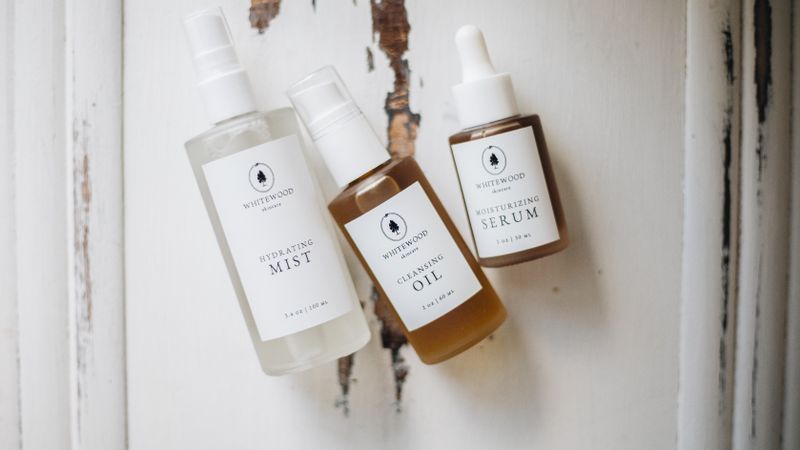
Photo by Daniel & Hannah Snipes on Pexels
What Sets Cocoon Apart in Vegan Body Care
Most vegan body care brands source their ingredients from the same global commodity supply chains. Shea butter from West Africa, coconut oil from the Philippines, jojoba from Argentina — purchased through layers of distributors and brokers before arriving at a factory thousands of miles from where the ingredients grew. Cocoon Vietnam operates on an entirely different model.
Cocoon contracts directly with Vietnamese farming cooperatives to source their hero botanicals. Their Dak Lak coffee body scrub uses robusta coffee grown in the Central Highlands, one of the world’s premier coffee-producing regions. Their An Giang palm sugar body scrub uses artisanal palm sugar from the Mekong Delta. This direct-from-source approach delivers two advantages that Western brands cannot replicate: fresher, higher-quality ingredients, and dramatically lower costs that get passed directly to consumers.
Every Cocoon product is 100% vegan and PETA-certified cruelty-free — not as a recent transition or a partial commitment, but from the brand’s founding. There is no asterisk on their certification. Zero animal testing, zero animal-derived ingredients, across the entire catalog.
The result is what we call affordable luxury: body scrubs at $15.99 and body butters at $16.99 that deliver the same sensory experience and skin results as products priced at $36 to $48 from Western vegan brands. Vietnamese botanical sourcing is not a gimmick — it is a structural advantage that makes ethical body care accessible to everyone, not just consumers with premium beauty budgets.
How to Read Body Care Labels for Hidden Animal Ingredients
Body care is one of the most common categories where animal-derived ingredients hide in plain sight. Unlike facial skincare, where consumers tend to scrutinize ingredient lists more carefully, body lotions, scrubs, and butters often contain animal byproducts under names most people would not recognize.
Lanolin is the most widespread offender. Derived from sheep wool grease, it appears in body lotions and lip balms as a heavy-duty emollient. On ingredient lists it may appear as lanolin alcohol, acetylated lanolin, or wool wax. Beeswax (listed as cera alba) is another staple in body balms and butters, used for texture and moisture sealing.
Stearic acid can be plant-derived or animal-derived (from tallow), and most labels do not specify the source. The same is true for glycerin, which appears in nearly every body lotion on the market — unless the label specifies “vegetable glycerin,” it may come from animal fat. Carmine (CI 75470), a red pigment from crushed cochineal beetles, shows up in tinted body lotions and shimmering body oils.
The simplest shortcut: look for PETA or Leaping Bunny certification logos. Brands that carry these certifications have had their entire ingredient supply chain audited for animal-derived components and animal testing. It is the most reliable way to verify vegan claims without needing a chemistry degree.

Photo by Vegan Liftz on Pexels
Why Vegan Body Care Performs Better Than You Think
The old argument against vegan body care was performance. Lanolin is an exceptional emollient — it mimics the lipid structure of human skin and creates a protective barrier that locks in moisture for hours. Beeswax provides texture and occlusion that plant waxes historically struggled to match. For decades, these animal-derived ingredients were considered functionally superior to their plant alternatives.
That argument does not hold up in 2026. Plant-based formulation science has advanced to the point where vegan alternatives meet or exceed the performance of animal-derived counterparts. Shea butter delivers comparable occlusion to lanolin with the added benefit of anti-inflammatory properties. Plant-derived squalane (from olives or sugarcane) absorbs faster and feels lighter than shark-derived squalane while providing identical moisturizing benefits.
Coffee-based body scrubs — like Cocoon’s Dak Lak formulation — deliver mechanical exfoliation with the added benefit of caffeine’s vasoconstrictive properties, which temporarily tighten skin and reduce the appearance of cellulite. Palm sugar scrubs dissolve more gradually than synthetic microbeads, providing sustained exfoliation without the environmental damage of plastic particles.
Plant oils like jojoba, argan, and coconut are lighter than lanolin, absorb faster, and are far less likely to trigger allergic reactions or clog pores. For consumers with sensitive skin — and body care is applied to large surface areas where sensitivity matters — vegan formulations are often the safer and more comfortable choice. The performance gap that once justified animal-derived ingredients in body care has closed entirely.
Shop Cocoon’s Vegan Body Care
100% vegan, PETA-certified, and crafted with Vietnamese botanicals. Premium body care that performs — at prices that make sense.
Best Vegan Body Lotions of 2026 · Shop All Body Care · Best Vegan Body Wash 2026 · Where to Buy Vegan Body Care Online · Best Vegan Skincare Brands 2026